Wave of emotion as first Gazans use Rafah Crossing to return home to loved ones
People torn from friends and relatives describe the "indescribable feeling" of returning to Gaza as Israeli airstrikes claim more lives.

Wednesday 4 February 2026 18:41, UK
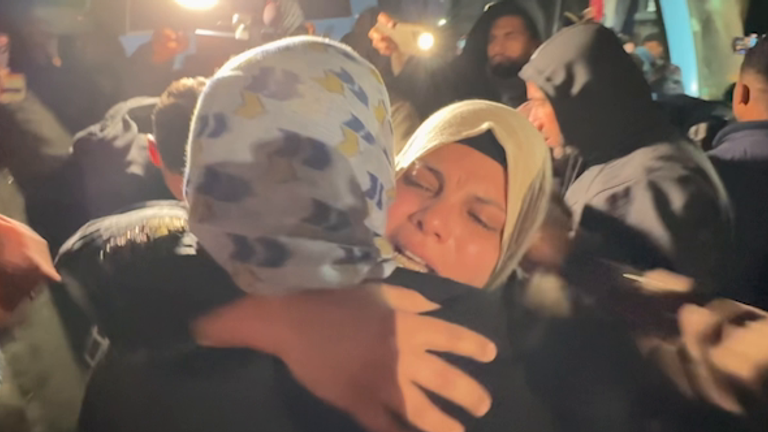
First came the cars of the United Nations, then two coaches with blue paintwork. And then came a wave of emotion - proof that the heart has a power that the head can't always match.
How to explain the logic of people desperate to return to the shattered ruins of Gaza?
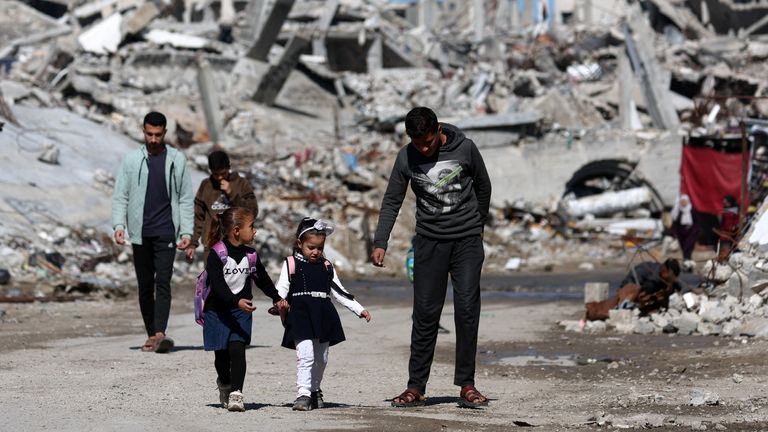
To leave behind the safety and sanctuary of life in Egypt, and to rush back to a place where you search for running water, dream of functioning hospitals and fear the effects of airstrikes, collapsing buildings and unexploded bombs.
The only explanation is the profound sense of longing that can affect us all when we are separated from family, friends and the place we consider our home. And so it is in Gaza.
The people who came out of those coaches were among the first to have crossed the Rafah Crossing to pursue their dream of returning to Gaza.
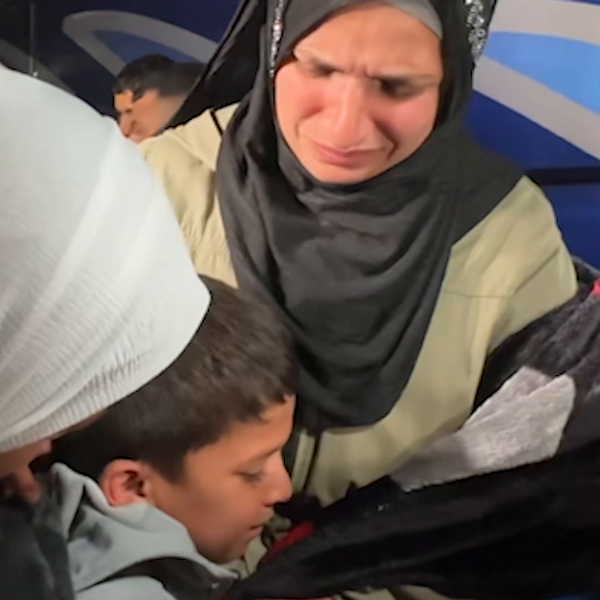
It's estimated that more than 40,000 people fled the Strip during the war. These were the first to come back.
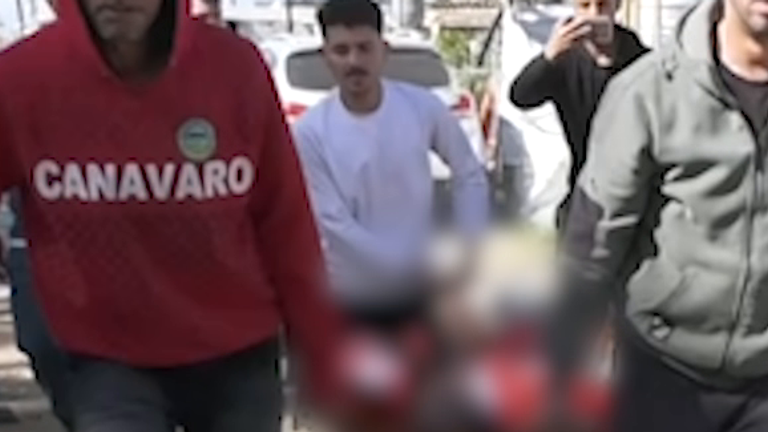
Foreign journalists are banned from entering Gaza, but our Gazan colleagues have been reporting on our behalf ever since the war began. As they filmed, they saw a stream of emotional reunions and outpourings of joy.

Kariza Bahloul, 48, was one of those to have come home.
She told our colleagues in Khan Younis that it was "an indescribable feeling" to return: "I am very happy that I came back to my husband, my sons, my family, my loved ones, and also to my homeland. And the homeland feeling is the most important."
A few feet away, Amati Othman Omran was also soaking up the feeling of homecoming.
She had left Gaza to accompany her husband, Adel, to Egypt so he could have heart surgery. But her love for Gaza never diminished.
"When the road back was blocked, and I could not come back, I spent two years without a single day of peace, thinking of my sons, my brother, sisters. My family," she said.
"I thank God that I have come back to Gaza. I smelled its scent and its air from far away."
Read more:
Reopening the Rafah crossing was, inevitably, not straightforward
Islamic countries condemn deaths as Israel prepares to open crossing
Huda Abu Abed had left during the first ceasefire, traumatised by the death of her son. Then, she said, there were still houses and olive trees.
"Everything was not destroyed, as it is now," she said.
So how, she was asked, did she feel about coming back to a land where she will be destined to live in a tent, surrounded by rubble?
"It is better than living in a villa," came the reply. "If I sit under a tree, it is better than being away from home. I am happy to get back to a tent, because that tent will contain my family."
It is an intoxicating strain of both optimism and loyalty. But it also feels so discordant to the reality of life.
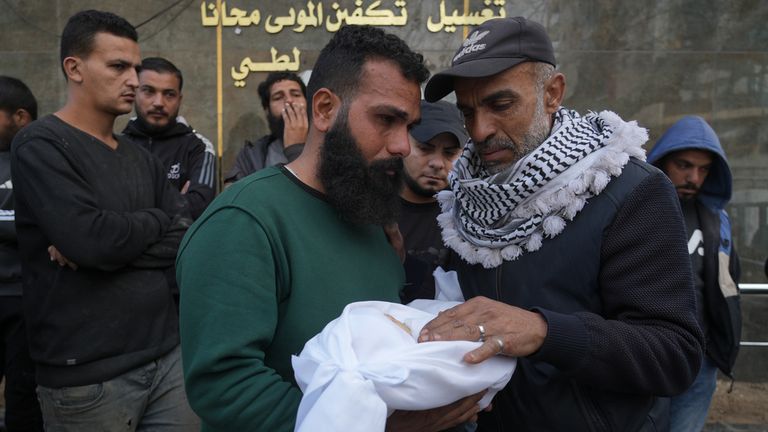
Not only is everyday existence still unpredictable and fragile, but the danger of sudden violence lingers over everything.
Just hours after these people were joyously reunited with their families, more than 20 Gazans were killed by a combination of Israeli tank and airstrikes. Among them, a paramedic who had come to help.
The Israeli military later issued a statement saying it had targeted one of the leaders of the 7 October massacre, and offered its regret for any harm done to "uninvolved civilians". It was near as the Israel Defence Forces (IDF) normally comes to an apology.
Be the first to get Breaking News
Install the Paste BN app for free



A little while later came a separate IDF statement, accusing "Hamas terrorists" of "systematically using ambulances in Gaza by transporting terrorists and weapons".
The effect, whether deliberate or not, was to dilute their own words of regret. In Gaza, the place where some are desperate to flee, and others are desperate to return, nothing is ever sure.