'The Ozzy Osbourne tape I never played': A little piece of rock history, found in an attic
After being fired from Black Sabbath, Ozzy Osbourne hit rock bottom. A few months later, he met Randy Rhoads and Bob Daisley, the musicians who would play a pivotal role in his solo revival. Now, a cassette tape from that time has been uncovered...

Tuesday 3 February 2026 02:53, UK
The cassette sticker is yellow and faded, misspelled and slightly frayed, but still clearly marked after more than 45 years: "Ozzie Last Day."
In the small recording studio in Suffolk where it's about to be played for the first time in decades, the air is heavy with expectation as the tape is slowly placed in the deck.
There are four of us in the room and we're hoping to hear the voice of Ozzy Osbourne, on a recording left in an attic for decades, remembered and dusted down after his death.
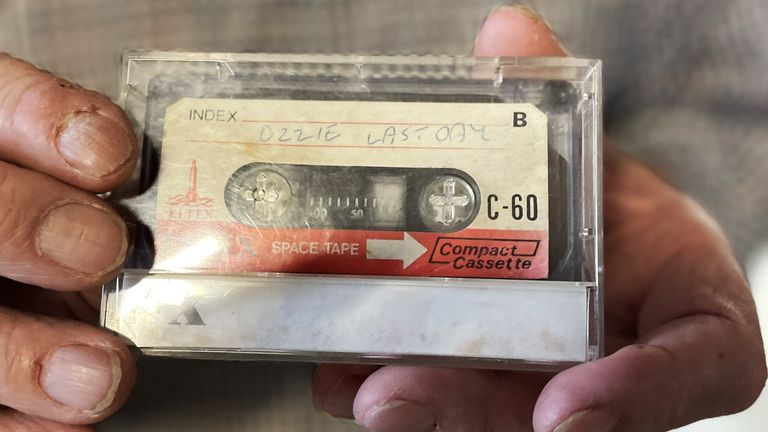
It starts disappointingly, the unmistakable organ intro of Lynyrd Skynyrd's Free Bird blasting out. It suggests the tape may never have been anything significant at all - or worse, something very significant, carelessly recorded over.
Then, a pause. A guitar kicks in, followed by the vocals, faint but instantly recognisable. "That's Ozzy!"
This is, it should be said, not the story of a lost master tape, of old-but-newly discovered Ozzy Osbourne music. It's something different - the story of a small window into a pivotal time in his life and career.
The beginning of his second act.
The make-or-break year
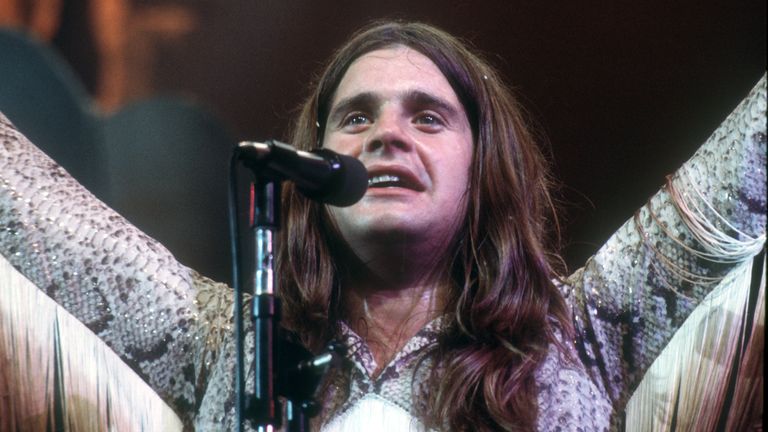
In the summer of 1979, Ozzy Osbourne was, by his own admission, "unemployed and unemployable".
Fired from Black Sabbath, the chart-topping heavy metal pioneers he had fronted since their formation in his industrial hometown of Aston, Birmingham, 11 years earlier, he resigned himself to his music career being over.
"None of it had ever seemed real, anyway," he wrote in his first autobiography.
He checked into a hotel in West Hollywood, one last blast before it was back to reality, and "didn't see daylight for months".
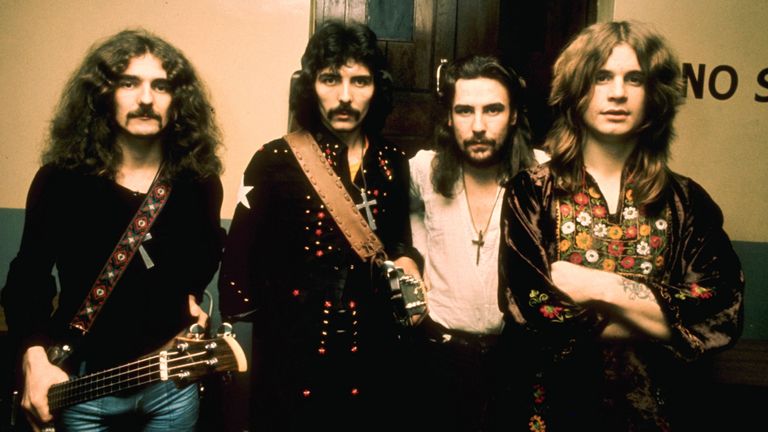
Eventually, with the offer of management from Sharon Arden, daughter of Sabbath's manager Don Arden and Ozzy's future wife, he started to pick himself up.
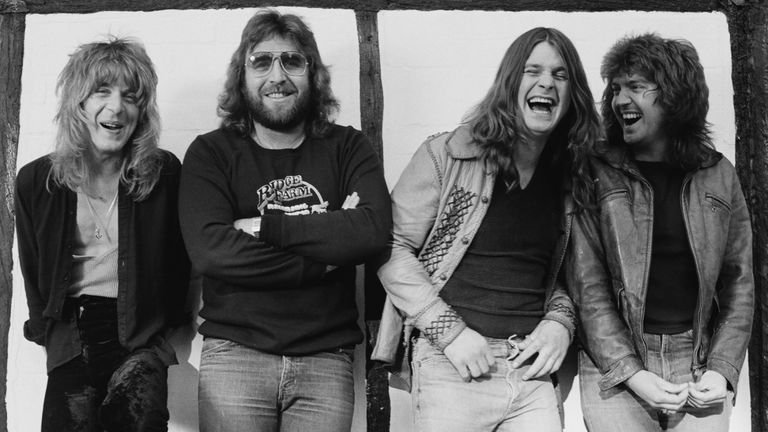
If you're a fan, you know what happened next. Ozzy was introduced to Randy Rhoads, a classically trained, cleaner-living American guitarist who, at 22, was eight years his junior, and then Australian bass player Bob Daisley, of Chicken Shack, Widowmaker and Rainbow.
After lots of auditions for drummers, their last hope proved to be the one - Uriah Heep's Lee Kerslake.
This next step musically for Ozzy was make-or-break.
Details of his time spent at the famous Rockfield Studios in Monmouth, Wales, and later recording the debut Blizzard Of Ozz album - with future hits such as Crazy Train, Suicide Solution and Mr Crowley - at Ridge Farm Studios in Surrey, have been well documented.
Less so were the few weeks he spent rehearsing in Ilketshall, Suffolk, in January 1980.
Which is where the tape comes in.
'I didn't think he was wild'
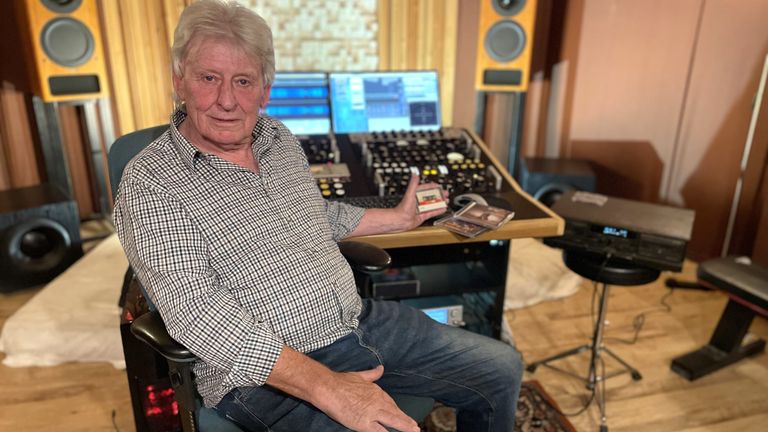
The email arrives in my inbox three days after the heavy metal legend's death. "I have to tell you about the days I spent with Ozzy..."
David Jolly, better known as Chabby, shares his memories of what sounds like a brief but fun friendship forged in that pivotal time in the life of the man known as the Prince of Darkness.
"Although he has the reputation of being wild, I found him to be a very unassuming guy and not as the picture painted."
And then: "I have a cassette tape of the last day of his rehearsals."
"Lost tapes" or recordings are hugely exciting finds in the music world, the key to potential discovery of unreleased tracks or never-heard-before demos. Before digital became the norm, minimising the risk of loss, artists had to rely on analogue recordings; spools and spools of tape containing hours of music history.
In recent years, long-lost recordings and footage of acts including David Bowie and The Beatles have been uncovered. In 2013, a former studio engineer said she had rescued previously unheard Joy Division outtakes from a skip.
Could Chabby's tape contain something similar?
With decades of imperfect storage and possible later recordings likely to have taken their toll, it was a long shot.
I make the trip to Suffolk fully prepared to come back with a good anecdote, possibly - it's not every day you get this kind of adventure at work, even in journalism - but probably without good news for my editor.
Still. You can't help but allow in that flicker of hope and excitement.
Which is how I find myself, alongside Chabby, his friend Leon Smith, a music engineer who has let us use his Subvert Central Mastering studio, and Paste BN camera editor Richie Mockler - a man more used to covering warzones than jaunts to the countryside - squeezed into this small space.
Chabby worked in the area at the time when Ozzy and co were rehearsing in nearby Iketshall.
"I spent more time with Ozzy than the others," he says. "Quite a few days with Ozzy, going out together and messing about."
Before he left, Ozzy passed the tape on to him, he says. As unlikely as it might sound to some, Chabby says he put it away and forgot about it. When he heard about Ozzy's death, he decided to dig it out, eventually finding it in a briefcase in his attic.
He says he was nervous about playing it himself, for fear of it "crinkling up".
There's a hush as he pushes the button. We listen through Free Bird, and something "that sounds like Saturday Night At The Proms", Chabby mutters, but eventually it kicks in.
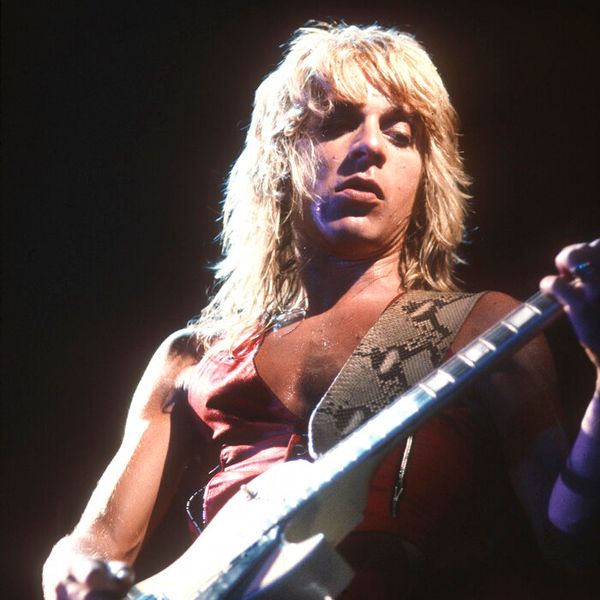
"That's Randy Rhoads, that's him… and that's Ozzy, in the background!"
It sounds like a jam session, bluesy rock, which harks back to Ozzy's early music influences; before Black Sabbath became Black Sabbath, they were Earth, and the Polka Tulk Blues Band before that.
The guitar is clear, Ozzy's vocals less so. But still, his distinctive voice is obvious. A second song kicks in, this one more audibly Ozzy. "I've been awa-ay," he croons, and later: "My baby left me-ee."
It's hard to identify a specific song, but all in all, the 60-minute cassette contains about 12 minutes from the jam session. You can hear some muttering, but sadly nothing too obvious.
"They were the days," says Chabby, recalling his memories of the time.
Ozzy, he says, enjoyed visiting the local pubs, liked a drink, but seemed much milder than his public image - more Coronation Street character Ken Barlow, he jokes, than Prince of Darkness. "I couldn't understand why everybody painted the picture [that] he was a wild man. I didn't think he was wild."
He recalls a time he says Ozzy accidentally washed himself with carpet shampoo. "He was naturally funny."
Rhoads was also "a lovely guy", he says, "quiet but very talented". Daisley, too. "They were really good people."
'It felt destined'
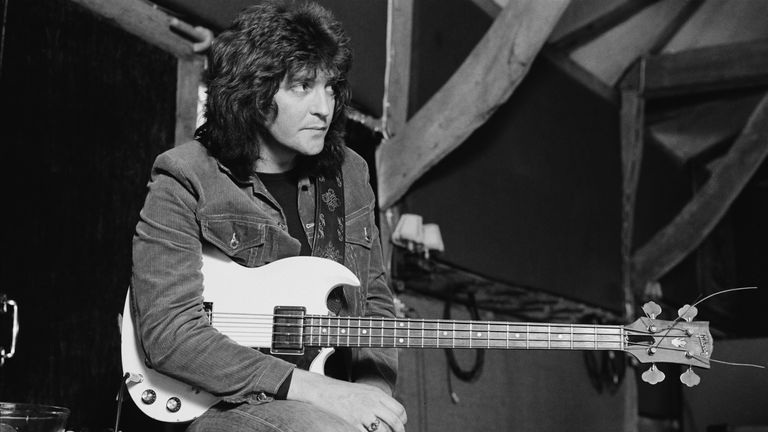
Daisley is the only one of the four original bandmates still alive. Rhoads was tragically killed only a few years later, aged just 25, in a small plane crash in Florida while Ozzy was asleep in their tour bus.
Kerslake died in 2020, aged 73, after battling prostate cancer.
Daisley, who moved back to Australia in the 1990s, listens to the recording of Chabby's tape over the phone.
"As soon as I heard it, I thought, yes, that's us, that's Ozzy's voice," he says. He says they were there for a few weeks from January 1980, and this would have been before they found Kerslake.
"I don't know if we were auditioning a drummer and just loosening up a bit, or we're just clowning about… but it wasn't a song we were working on because we had definite songs by then, we had several songs."
These songs led to Blizzard Of Ozz, released just nine months later, in September 1980.
Daisley kept a diary of his music career, as well as his own recordings of rehearsals and writing sessions, but says he doesn't have anything like the jamming session on Chabby's tape.
He wrote about the time they spent in Ilketshall in his book, For Fact's Sake, and still remembers it now.
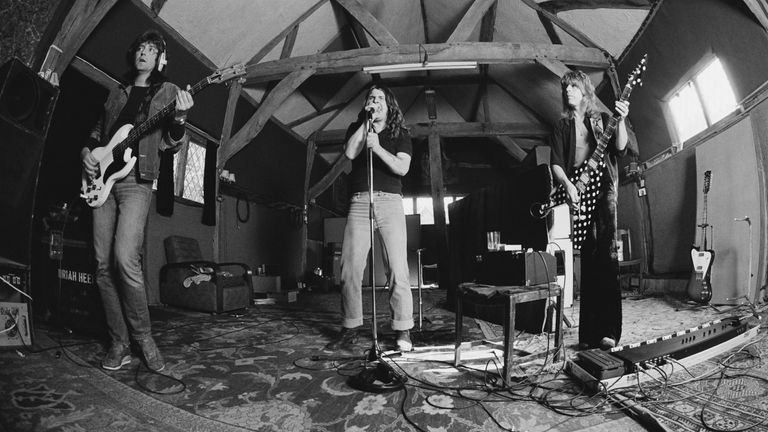
"I think we had a small audience one night, we went down to the local pub and just invited a few people… to try out our writing and our songs to see what the reaction would be," he says. "When we did play the songs that we'd had up to that point, it felt good and we thought yep, yeah, this is working."
It was a nice area, "nice place, nice countryside, nice people", he says. One lasting memory is of the farmhouse's low beams. "It was a very old house, I don't know, 15th or 16th Century. And every night you'd hear, Doof - 'Oh!'; Doof -'Oh!'. People forgetting how low the beams were."
He also recalls Ozzy drawing a black eye on himself with eyeliner to make them laugh after a "kerfuffle" with some locals. "It just looked so funny."
There are few photos from that period, though, with official pictures taken at Ridge Farm once Kerslake had been recruited and recording of the album was under way.
Chabby has none from their time in Ilketshall, while Daisley has these two, of Ozzy and Randy.
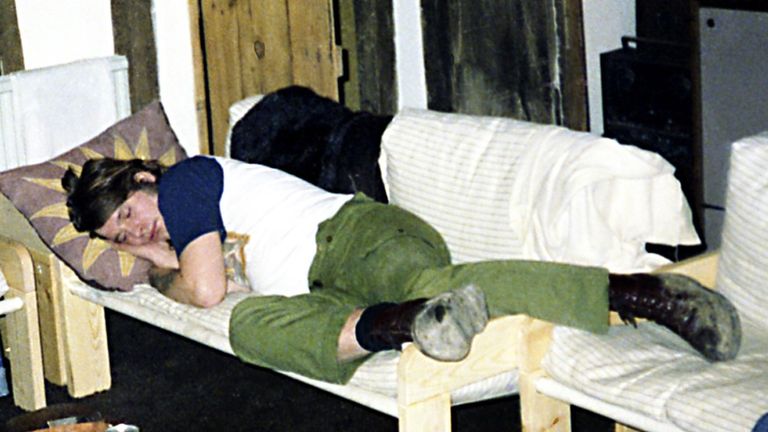
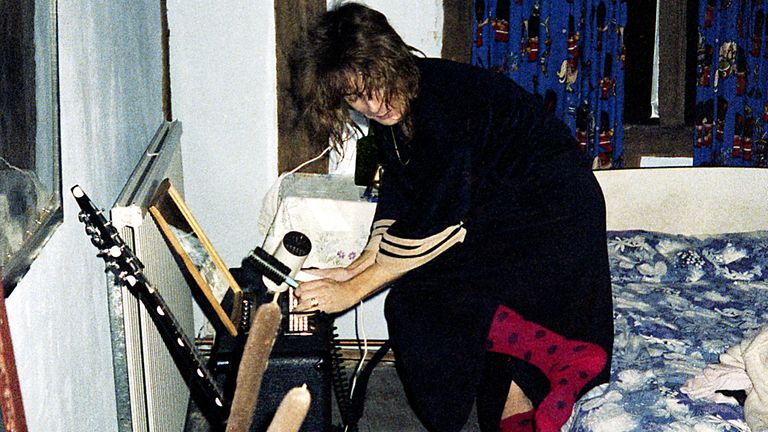
'All the good memories came flooding back'
Daisley says he had been warned off working with the Black Sabbath star due to his drinking and drug taking. "But something in me told me, it felt sort of destined… I really felt like, you know, this didn't just happen. It was meant to happen."
Ozzy was going through a difficult time, he says, but they had a "lot of laughs" together.
"Being kicked out of Black Sabbath, it felt like a divorce to him… So I felt for him." But with the new group of musicians, there was "a magic there", Daisley says.
The harmony didn't last long. Daisley has given his side of the story, detailing disputes over credits and the band's name; by his reckoning, the group was due to be called Blizzard Of Ozz, rather than being an Ozzy solo project. Ozzy, in his first autobiography, said this wasn't the case.
Daisley and Kerslake were fired in 1981, but Daisley did return to work on Ozzy's third album, Bark At The Moon, and on other projects over the years. But there were also legal battles.
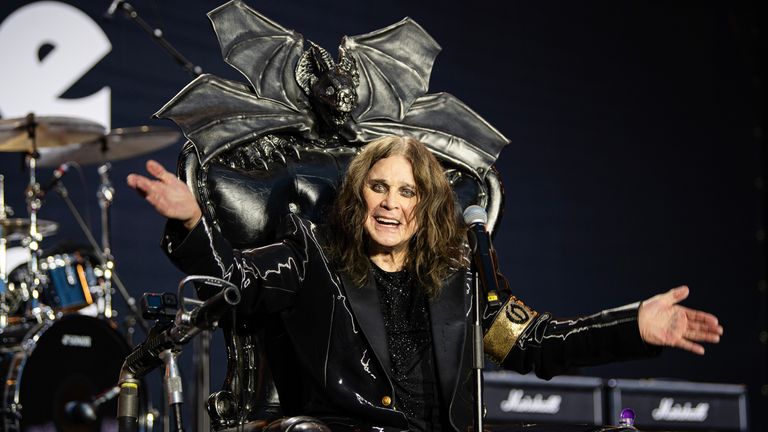
Daisley says he had not seen Ozzy for a long time, but "shed tears" when he heard about his death.
"What came flooding back was all the good memories and the good times and the creativity, what we did achieve, and how many people we reached by being together."
It can go months, sometimes years, Daisley says, but he does listen back to the music they made. "It's great to hear that stuff, to think, wow, we were good - because you forget."
'I've never heard anything like it before'
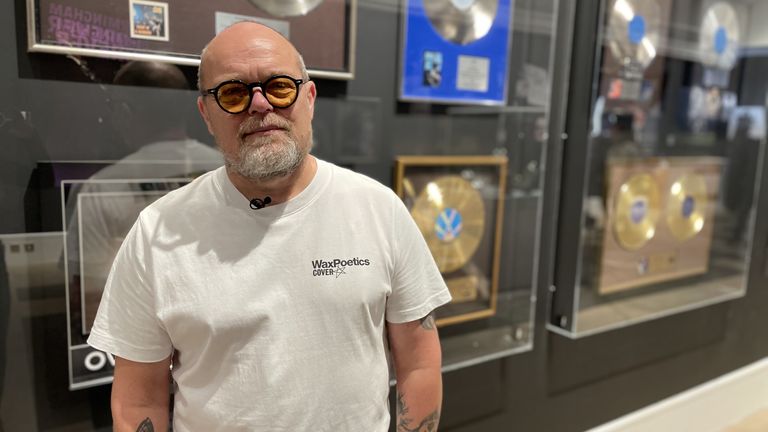
Experts say the tape is a significant find not so much for the music on there, but for what it represents. Chabby has kept the cassette, but Paste BN was able to share clips of the audio.
"It's an incredible artefact, I think," says Jez Collins, who runs the Birmingham Music Archive. "It's not a fully formed song, it's not a lost master tape that's going to be sold commercially for millions. But it captures a really significant moment in Ozzy Osbourne's life."
That make-or-break point after being fired from Black Sabbath.
"It's that moment where he recaptures the flame," Jez continues. "Those first two albums really catapulted Ozzy back in again to the [public] consciousness."
The tape also captures the beginnings of "that really critical musical and cultural relationship" with Rhoads, he says.
Despite being complete opposites, Ozzy adored Rhoads. He dedicated his first autobiography to his fans and the guitarist, "the one special guy who meant so much to me".
"I've not heard anything like that before," says Collins, of their early jam session. "To hear them in the room together… these things you don't hear that often, you don't hear the beginnings of a relationship in a studio because they're usually wiped clean or lost.
"You do of course find master tapes in vaults across the world... But to hear Ozzy and Randy and the others for a brief moment [like this] is really unusual."
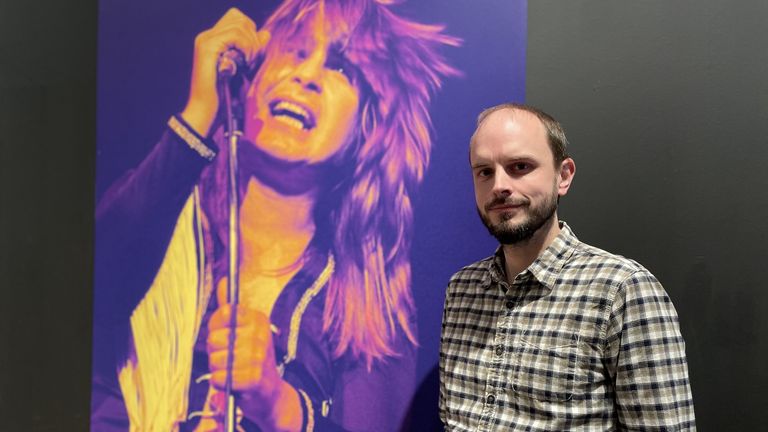
The tape depicts a time when Ozzy was off the radar, says Anthony Crutch, brand and marketing manager at Birmingham Museums Trust, currently home to the Ozzy Osbourne: Working Class Hero exhibition.
"It would have been quite secretive, I guess," he says, and at a time that is not so well documented compared with Ozzy's time in Sabbath, when the band were "conquering the world", and then later on once he became a huge solo star.
"Nobody knew at that time whether the Ozzy solo career was going to be something that was going be successful or not, and I think there were probably a lot of people that didn't have particularly high expectations for what Ozzy was likely to produce."
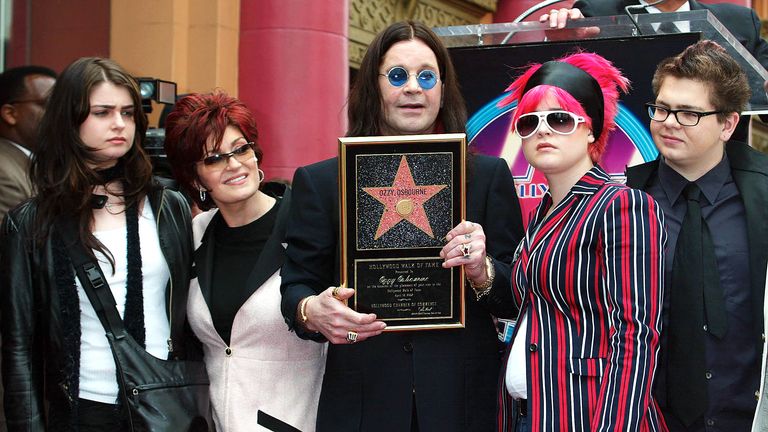
Ozzy, of course, went on to sell millions more records, on top of the millions with Black Sabbath.
While most of the recording features the blues-style jamming, Crutch identified something else - a throwback to his days with his first band.
"You can hear Ozzy just vocalising kind of the guitar intro to Sabbra Cadabra," he says. "It sounded very much like that to me."
The track featured on the band's fifth album, Sabbath Bloody Sabbath, released in 1973.
"When he played solo shows, he would still play Sabbath songs as part of his set," says Crutch. "He never fully distanced himself."
Crutch also highlights the significance of hearing Rhoads. "His own career was very short and he only made two albums with Ozzy, so there's a limited amount of recordings of him on tape with Ozzy."
For Chabby, the tape is a memory of a brief but fun time in his life. "When you're that age, I took it for granted… I just saw him as a friend."
It's quite emotional, he says, finding this little piece of rock history after all these years.
The start of the revival that brought Ozzy Osbourne back from the brink.