Reza Pahlavi: Who is Iran's exiled crown prince encouraging anti-government protests?
Reza Pahlavi has encouraged protests in Iran, helping to transform what started as grievances over the Islamic Republic's weakened economy into a serious threat to the country's theocracy.
Tuesday 13 January 2026 16:38, UK
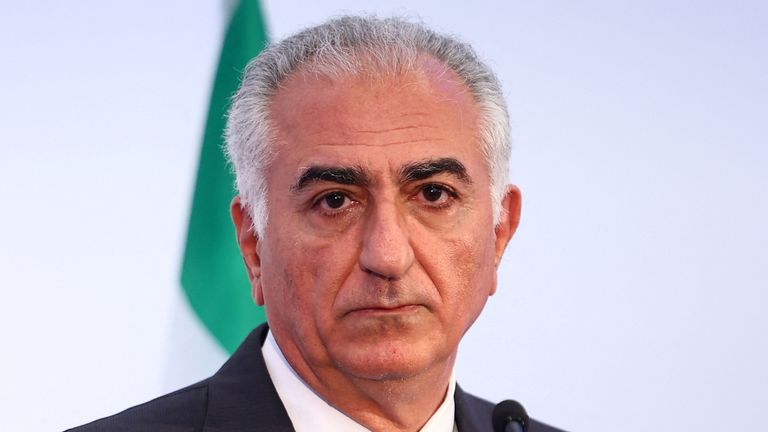
Iran's exiled crown prince has become a prominent voice spurring on protesters staging the biggest anti-government demonstrations in years.
Reza Pahlavi, 65, has urged protesters to take to the streets, helping to transform what started as grievances over the Islamic Republic's weakened economy into a legitimate threat to the country's theocracy.
But who is Mr Pahlavi, why has he lived outside Iran for nearly 50 years and what are his chances of leading the country in the future?
Iran latest: Follow live updates
Who is Crown Prince Reza Pahlavi?
Mr Pahlavi was born on 31 October 1960 and grew up as the crown prince of his father, Shah Mohammad Reza Pahlavi, after he inherited the throne from his own father.
The monarchy's lavish style at that time helped fuel discontent among Iranians left on the wrong side of a widening wealth divide thanks to surging inflation and the shah's bid to modernise the oil-powered economy.
Mr Pahlavi left Iran before his father was forced out in 1978, heading to the United States to train as a fighter pilot. He later wrote that he offered to serve in the war with Iraq in the 1980s when the young theocratic Iranian state came under attack, but that his offer was turned down.
He studied political science at the University of Southern California.
After the death of his father, an exiled royal court announced Mr Pahlavi had assumed the role of shah on 31 October 1980 - the day of his 20th birthday.
He has a wife and three children.
Does he have much support?
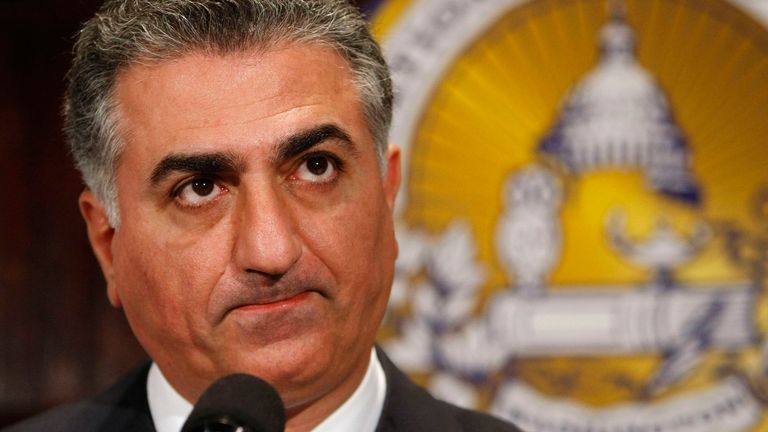
During nearly five decades in exile, during which he has mainly lived in Los Angeles and Washington DC, Mr Pahlavi has advocated for a referendum and nonviolent change in Iran.
During mass demonstrations in 2009 over a contested election, and nationwide protests in 2022 over the death of Mahsa Amini, a young woman who died while in detention for allegedly violating Islamic dress codes, he has criticised Iran's rulers and called for change.
By doing so, he has garnered support in the diaspora, including among Iranians in the US.
However, trying to gauge how much support Mr Pahlavi commands inside Iran is difficult.
Mr Pahlavi has vocalised his position about Iran's future through social media videos, while Farsi-language news channels have highlighted his calls for further protests.
Some protesters have voiced support for him in verified videos circulating on social media, with some chants of "long live the shah" - an indication his messages may be galvanising some people.
During demonstrations in European cities in support of Iranian protesters, some people held up Mr Pahlavi's image.
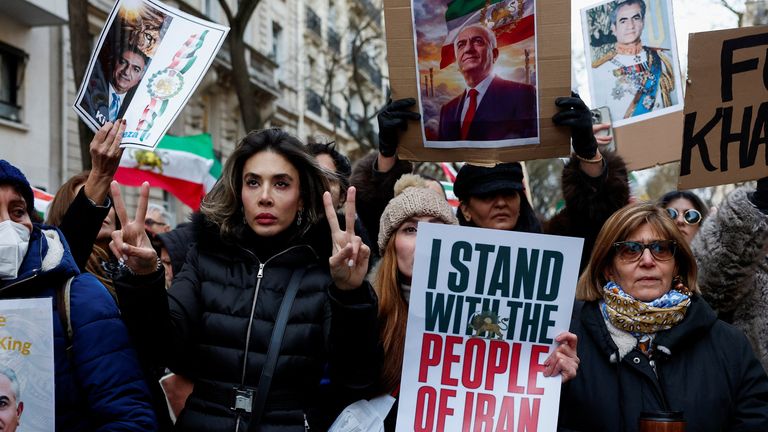
Others simply called for sweeping political change, with slogans such as "down with the dictator" in reference to Supreme Leader Ayatollah Ali Khamenei, who under Iran's system of clerical rule has the final say in all state matters.
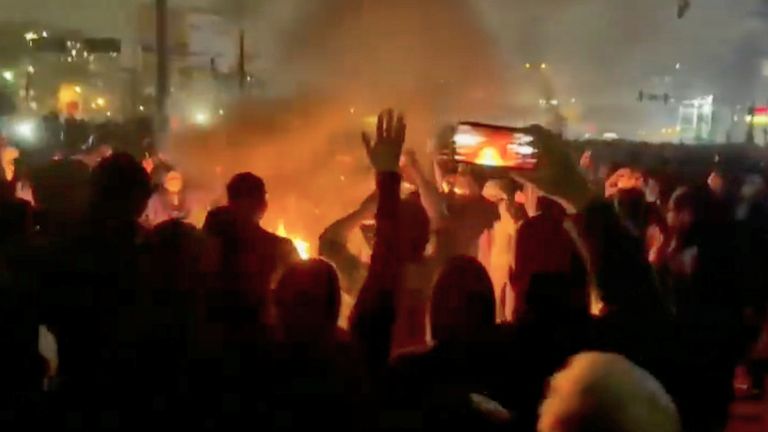
Iranian state media, which has painted Mr Pahlavi as being out of touch and corrupt, blamed "monarchist terrorist elements" for demonstrations on 8 January during which vehicles were burned and police kiosks attacked.
Read more:
Iran's leaders facing most serious threat since 1979 revolution
Everything you need to know about Iran protests
He has also gained little support from Western governments abroad - neither in Washington, a close ally of Iran in the shah's time, nor in European capitals, which have long been critical of the Islamic Republic and its nuclear programme.
He also further polarised opinion during a 2023 visit to Israel, where he met Prime Minister Benjamin Netanyahu and other officials.
As the latest protests have unfolded, US President Donald Trump has indicated he is not currently inclined to meet Mr Pahlavi, suggesting he is waiting to see the result of the protests before he backs an opposition leader.
Be the first to get Breaking News
Install the Paste BN app for free




What are his ideas for the future of Iran?
In his messages since protests broke out - which have been blocked by the government's internet shutdown - Mr Pahlavi has told Iranians he is ready to lead a transition.
He has previously raised the idea that Iran could become a constitutional monarchy, perhaps with an elected ruler rather than a hereditary one, but has said it would be up to Iranians to choose.
"There is only one way to achieve peace: a secular, democratic Iran. I am here today to submit myself to my compatriots to lead them down this road to peace and a democratic transition," he said in a speech posted on X on 23 June, shortly before the end of the 12-day war between Iran and Israel in 2025.