Germanwings Crash Prompts Rethink Over Pilots' Mental Health
The EU's aviation safety agency proposes mental health assessments for pilots to prevent "catastrophic" incidents.
Tuesday 16 August 2016 14:54, UK
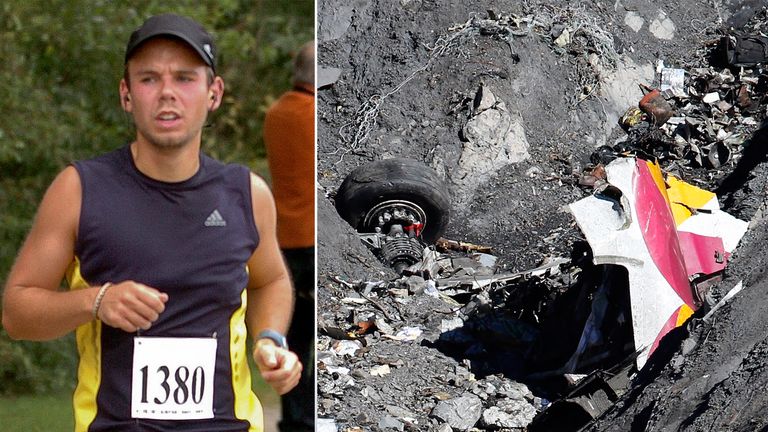
Tougher medical examinations for pilots have been drawn up nearly 18 months after the Germanwings plane disaster.
Co-pilot Andreas Lubitz locked his captain out of the cockpit and steered Germanwings Flight 9525 into a mountain in the French Alps in March 2015, killing all 150 people on board.
Lubitz had previously suffered from depression but he was deemed fit to fly as authorities did not know his mental health problems had returned.
In the aftermath of the tragedy French investigators recommended that regular "special examinations" should be carried out on pilots with a "medical history of mental disorder".
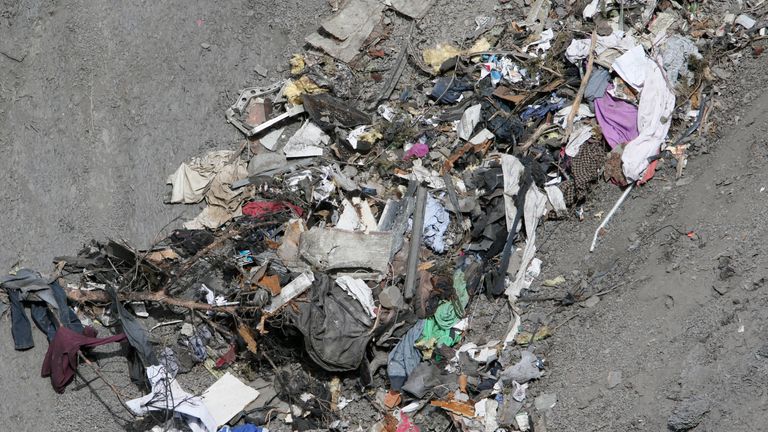
The European Aviation Safety Agency (EASA) on Tuesday recommended the strengthening of pilots' initial and subsequent medical examinations by "including drugs and alcohol screening", as well as a "comprehensive mental health assessment".
It also plans to increase the quality of medical examinations and improve follow-ups on pilots with a "medical history of psychiatric conditions".
The recommendations will be taken forward and formally proposed by the European Commission later this year.

In a statement EASA said the Germanwings disaster "reminded everyone in aviation that the medical and psychological conditions of flight crews, if not detected, can lead to a catastrophic outcome".
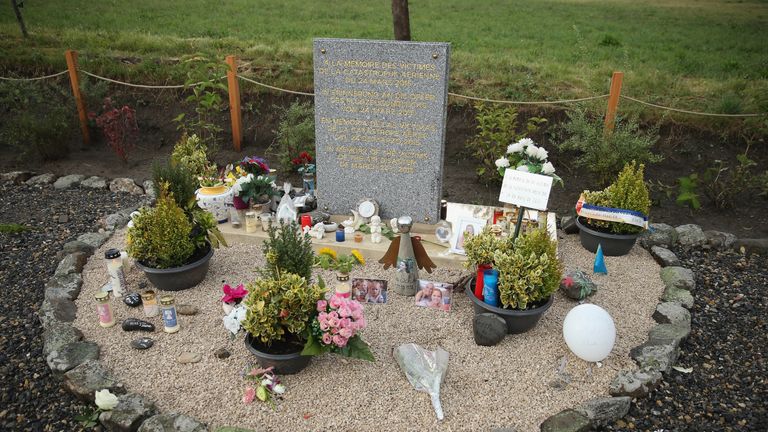
It added: "The EU has responded by taking swift action to mobilise the aviation community and work towards ensuring that such a tragic event does not happen again."
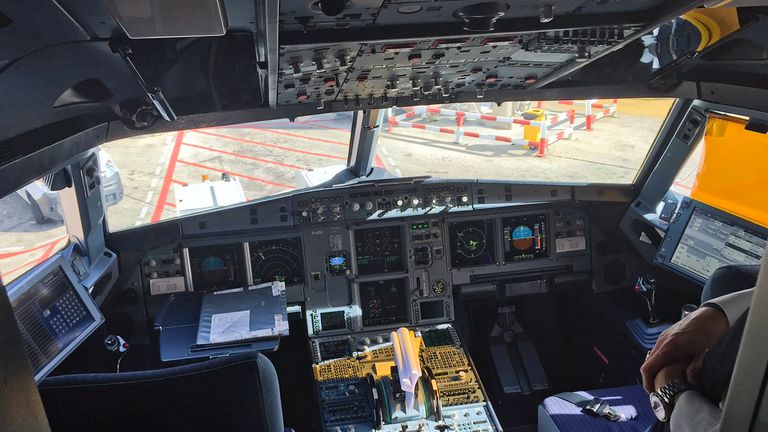
EASA previously planned to recommend that two people should always be in the cockpit, but softened its stance after talks with industry representatives.
It will now let airlines determine rules on a case-by-case basis.
An EASA spokesperson said: "The risk assessment can be summed-up as: how well do you know your crew and how well do you control risks in your organisation.
"This assessment may lead the operator to require two authorised persons in the flight crew compartment at all times."
The recommendations do not include a proposed change to patient confidentiality rules.
But EASA said it hoped to fight fraud attempts by requiring medical centres to report incomplete medical assessments to authorities.
According to the French report into the Germanwings disaster, Lubitz consulted dozens of doctors and was prescribed antidepressants.
Another doctor referred Lubitz to a psychiatric clinic two weeks before the crash, the report said.
The co-pilot's medical history was not reported to authorities as German doctors can face a fine or up to a year in prison for breaching patient confidentiality.