DNA found on gun is match to both identical twins - so who is the killer?
Prosecutors stumped as to who pulled the trigger, as DNA found on gun is shared by both identical twins on trial for murder
Monday 9 February 2026 11:30, UK
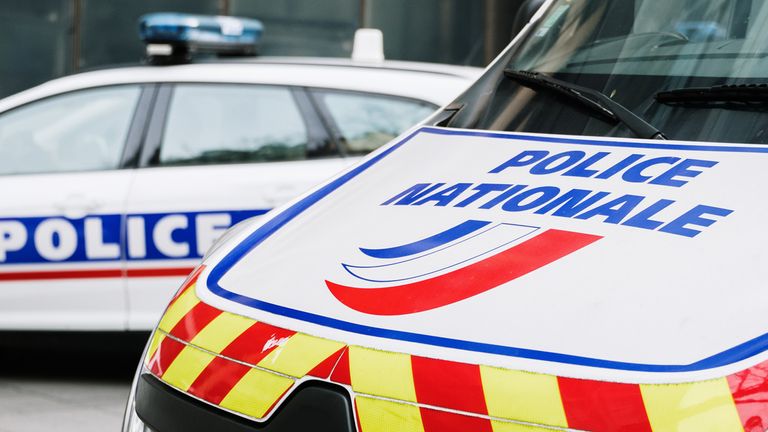
Prosecutors in France have been unable to tell which of a pair of identical twins on trial for murder pulled the trigger in a fatal shooting, because DNA found on a gun is a match to them both.
Identified in reports as 33-year-old brothers Samuel and Jeremy Y, the pair are suspected of being involved in a double gang murder in September 2020 and several attempted murders the following month.
The pair are accused over the killing of a 17-year-old, named in reports as Tidiane B, and a 25-year-old, identified as Sofiane M.
But DNA on an assault rifle used in one of the later gun battles could only be from one twin, French newspaper Le Parisien said.
Forensic experts couldn't say which of the brothers had been definitively implicated, a police officer told the court.
One investigator is quoted as telling the trial that "only their mother can tell them apart".
They are among five defendants on trial at a court in Bobigny, a suburb to the northeast of Paris, until the end of February.



Police believe they have taken advantage of their resemblance to cover their tracks, the paper said.
It claimed the pair frequently exchanged clothes, phones and identification documents, quoting a senior police officer.
Identical twins happen when a single egg (zygote) is fertilised, the NHS says on its website.
The egg then divides in two, creating identical twins who share the same genes.
Identical twins are always the same sex.
Because the pair came from the same egg and sperm, they share exactly the same DNA, making forensic identification extremely difficult.
Read more on Paste BN:
Starmer 'battling for survival'
Trump's view of Bad Bunny at the Super Bowl
Jimmy Lai sentenced
With genetic data unable to distinguish between them, investigators relied on phone records, surveillance footage, wiretaps and efforts to corroborate their whereabouts and movements, according to Le Parisien.
But the crucial question of who fired the recovered weapon remains an open one.