All you need to know about 10-year passport rule that's been catching out British holidaymakers
Britons heading abroad are still being caught out by the Brexit passport rule, which changed how long the document is valid for.
Wednesday 28 January 2026 13:25, UK
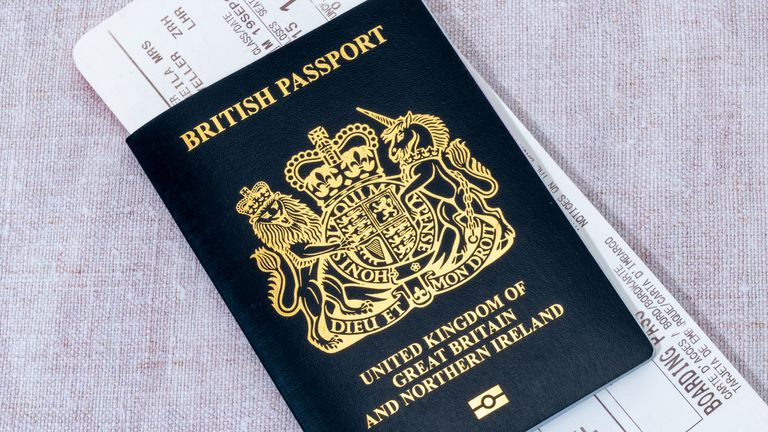
For months now, stories have been emerging about holidaymakers being turned away from their flights due to having invalid passports.
A lot of the confusion has been around whether or not a passport has expired.
Sounds simple, doesn't it? Surely you can travel with it until the expiry date? Well that's not been the case since the UK left the European Union.
Here we explain what you need to know...
Find personal finance news and tips in the Money blog
The 10-year passport rule
Since 2021, the European Union has considered Britons "third-country nationals", meaning passports must meet two conditions to be allowed to enter:



1. It cannot be older than 10 years on the day of travel to the EU country.
2. There must be at least three months until it expires by the time you leave the EU.

Now, if your passport was issued before 10 September 2018, it may appear to be valid for longer than 10 years. That's because UK citizens were previously able to carry up to nine months from an old passport to a new one.
In this case, the passport may no longer meet EU requirements, even if valid elsewhere.
For example: Your passport was issued on 6 June 2016 and has an expiry date of 6 March 2027. You book a flight to Madrid on 7 July 2026, thinking it is well within the expiry date But actually, your passport stopped being valid to enter an EU country on 6 June 2026.
The only exception is Ireland.
What if you're travelling outside the EU?
Iceland, Norway, Switzerland and Liechtenstein aren't in the EU but are part of the Schengen Area, so the 10-year rule applies.
If you are travelling anywhere else in the world, your issue date doesn't matter - it's all about the expiry date.
The rules depend on the country you are visiting. Generally, it's a good idea to have at least six months left on your passport before you travel.
Here's a look at the passport requirements for some popular destinations:
United States and Canada - Passport must be in date for your entire stay.
New Zealand - Passport must be valid for at least three months after the day you plan to leave.
Australia - Passport must be valid for the length of your planned stay.
Japan - Passport must be valid for the whole time you're in Japan. Blank page needed in passport for visa stamp.
Thailand - Passport must have expiry date at least six months after the date you arrive. You need at least one blank page in your passport.
Mexico - Passport must be valid for the duration of your stay. The Mexican Embassy in the UK also recommends that your passport is valid for at least 180 days - the longest you can stay in the country as a tourist.
China - Passport must be valid for at least six months from your entry date.
You can check the entry requirements for the country you're visiting here.
What should you do if you get turned away from your flight?
Firstly, check that the reason you have been turned away is valid - there have been several reports of airlines being confused by the rules and incorrectly denying entry to people.
If you believe they have made a mistake, travel expert Simon Calder says you should draw the staff member's attention to the official Foreign Office guidance.
He also suggests mentioning that wrongly denying boarding comes with a minimum compensation payment of £220, plus any additional expenses caused by the mistake.